
ZIP System Sheathing vs. Traditional House Wrap: Which Is Better for Your Home's Exterior?
When building or renovating a home, one of the most critical decisions involves protecting the structure from moisture, air leaks, and the elements. Two popular options for creating a water-resistive barrier (WRB) are Huber ZIP System sheathing (often called ZIP board) and traditional house wrap (like DuPont Tyvek HomeWrap or similar products).
Both serve as defenses against water intrusion while allowing vapor to escape, but they differ significantly in design, installation, performance, and overall value.
In this post, we'll break down the key differences, pros, cons, and when one might be the better choice—based on real-world builder feedback, building science insights, and recent comparisons (as of 2025–2026).
What Is ZIP System Sheathing?
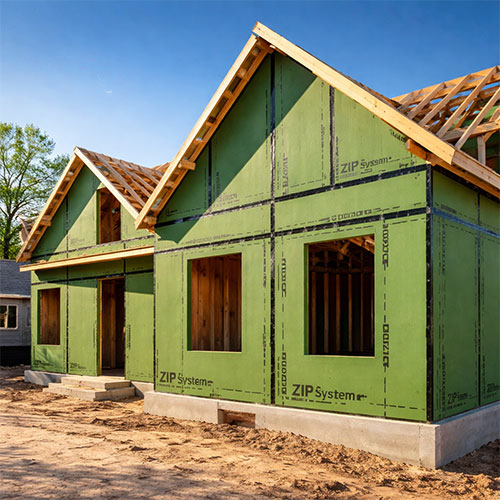
ZIP System is an innovative all-in-one product from Huber Engineered Woods. It combines structural OSB (oriented strand board) or plywood sheathing with a factory-applied, integrated WRB overlay.
Once panels are installed on the framing, installers simply tape the seams with proprietary ZIP tape to form a continuous air and water barrier.
This eliminates the need for a separate house wrap layer entirely.

What Is Traditional House Wrap?
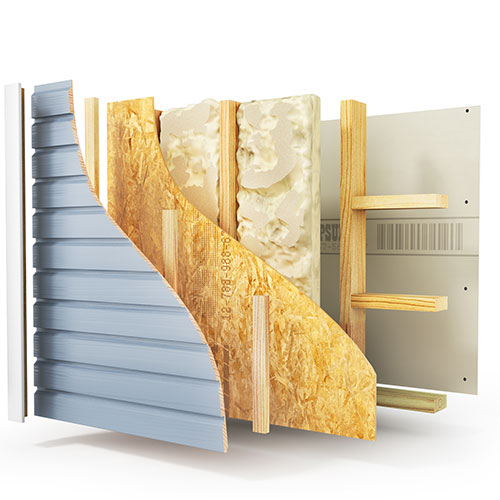
House wrap is a lightweight, flexible synthetic membrane (typically high-density polyethylene) installed over standard sheathing (like plain OSB or plywood).
Popular brands include Tyvek, Typar, or Barricade.
It acts as the primary WRB, with seams and penetrations sealed using tape or staples.
The wrap is breathable, allowing vapor to pass through while blocking bulk water.
Key Differences: Head-to-Head Comparison
1. Installation Process
ZIP System: Panels go up as the structural sheathing (nailed/screwed to studs), then seams are taped. Many builders report it's faster overall—especially when walls are sheathed and taped flat on the deck before raising. No second pass around the house for wrap.
House Wrap: Requires two steps—install sheathing first, then roll out, staple, and tape the wrap. It's more labor-intensive, especially on tall or complex walls, and prone to tears or flapping in wind.
Winner for speed → ZIP System (often 25–30% lower labor costs according to contractors).
2. Performance as Air & Water Barrier
ZIP System: Provides a superior air barrier (reducing air leakage by 25–40% compared to typical setups), leading to better energy efficiency, lower heating/cooling bills, and less moisture transport via air.
The integrated WRB is fused directly to the panel, reducing risks of rips, tears, or gaps. It excels in wind resistance since it's structural.
House Wrap: Excellent when installed perfectly, but real-world installs often have errors (improper overlaps, staple tears, poor taping).
It offers good vapor permeability for drying, but air sealing is weaker unless heavily taped.
Winner for reliability & energy efficiency → ZIP System, especially in windy or high-performance builds.
3. Moisture Management & Durability
ZIP System: Drains bulk water effectively via its textured surface. Lower vapor permeability than some wraps, which can be a pro (tighter envelope) or con (slower drying in some climates).
OSB base is moisture-sensitive if exposed long-term, but the integrated barrier protects it better than standard setups.
House Wrap: Higher vapor permeability in many cases, allowing walls to dry outward more readily if moisture gets behind siding.
More forgiving for repairs (patch with tape/material).
Winner → Depends on climate—ZIP for tighter envelopes; house wrap for high-humidity areas needing max drying potential.
4. Cost Considerations
ZIP System: Higher upfront material cost (panels + tape often $800–$2,000+ more for a typical home compared to OSB + wrap).
However, labor savings frequently make total cost comparable or lower.
Many builders note rebates (e.g., Huber's first-time user deals) close the gap.
House Wrap: Lower material cost but higher labor. Mistakes can lead to callbacks or long-term issues.
Real-world note: Builders increasingly switch to ZIP and "never go back" due to better results and time savings.
5. Pros & Cons Summary
ZIP System Pros:
Faster, simpler install
Superior air sealing & energy efficiency
Built-in WRB—no separate wrap needed
Excellent wind resistance
30-year warranty (longer than most wraps)
ZIP System Cons:
Higher initial material cost
Less vapor permeable (may need careful wall design)
Tape application must be perfect (temperature-sensitive adhesive)
Repairs on damaged panels are trickier
House Wrap Pros:
Lower material cost
Higher vapor permeability for drying
Easy repairs
Versatile over various substrates
House Wrap Cons:
Prone to installation errors/tears
Weaker air barrier
More labor-intensive
Can blow off or flap during construction
Which Should You Choose?
Go with ZIP System if you're prioritizing energy efficiency, faster builds, reliable performance, and a tighter envelope—especially in cold/windy climates or high-performance homes.
Many professional builders (including custom and energy-focused ones) now prefer it for consistent results.
Stick with house wrap if budget is tight, you're in a very humid climate needing maximum drying, or your crew is highly experienced with traditional methods.
Ultimately, both can work well when installed correctly, but ZIP System's integrated design often delivers better long-term performance with fewer opportunities for human error.
Have you used ZIP System or house wrap on a project? What's your experience? Drop a comment below—I'd love to hear your thoughts!
For more building science tips, check out resources from Huber, DuPont, or independent sites like Fine Homebuilding. Happy building! 🏠