
Concrete Repair Oklahoma City Homeowners Should Understand
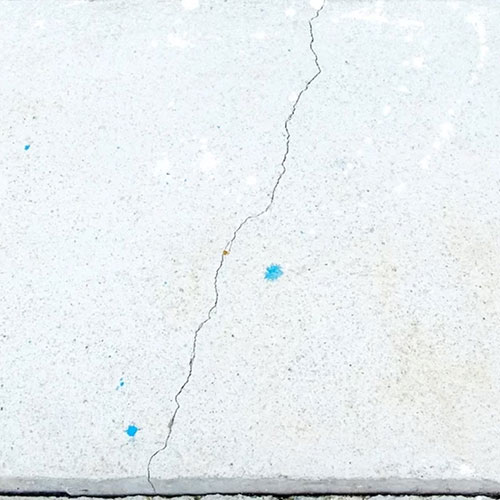
Concrete repair Oklahoma City homeowners search for usually starts with one question: “Why is my concrete cracking?” From driveways and patios to sidewalks and garage floors, concrete cracking is extremely common in Oklahoma’s climate.
Why Does Concrete Crack Around Homes?
Concrete may look solid, but it constantly reacts to moisture, temperature, and ground movement. Most cracks form naturally and don’t mean something was done wrong.
1. Shrinkage During Drying
As concrete cures, it loses moisture and shrinks slightly. If the mix contains too much water or dries unevenly, shrinkage cracks appear. This is the most common cause of early cracking.
2. Heat, Sun, and Wind
Oklahoma’s hot, windy days can cause the surface to dry faster than the base, leading to shallow surface cracks known as crazing.
3. Freezing and Moisture Expansion
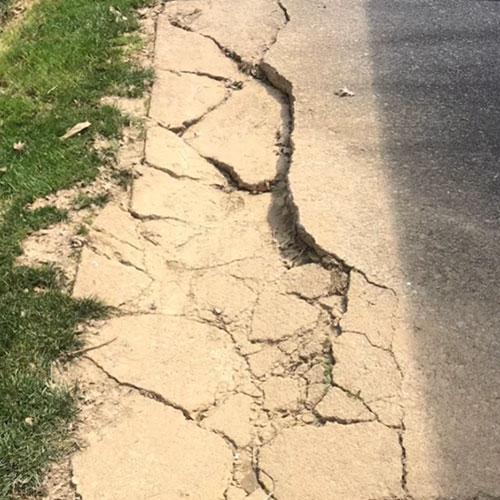
Water absorbed into concrete expands when it freezes. Over time, this freeze-thaw cycle widens cracks and causes surface flaking, especially in older slabs.
4. Soil Movement Beneath the Slab
Oklahoma City’s clay-heavy soil expands and contracts with moisture changes. When soil shifts, concrete loses support and cracks form.
5. Heavy Loads and Improper Use
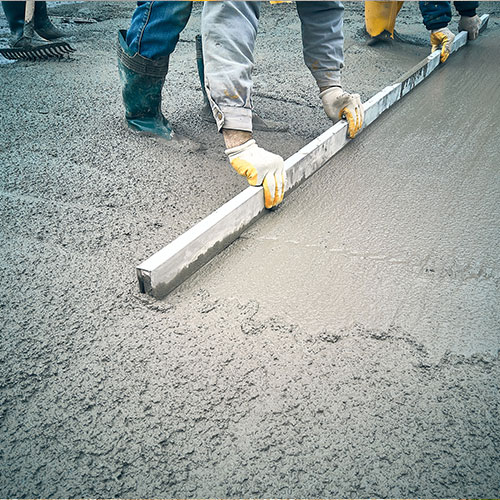
Parking heavy vehicles or equipment on slabs not designed for the weight can cause stress cracks or sinking areas over time.
6. Temperature Swings
Concrete expands in heat and contracts in cold. Without proper spacing or control joints, this movement creates cracking.
Can Concrete Cracks Be Completely Prevented?
The short answer is no. Even perfectly installed concrete will crack eventually. Industry professionals often say there are only two guarantees with concrete: it will get hard, and it will crack.
How Homeowners Can Minimize Concrete Cracking
- Use experienced contractors who control water ratios and slab thickness
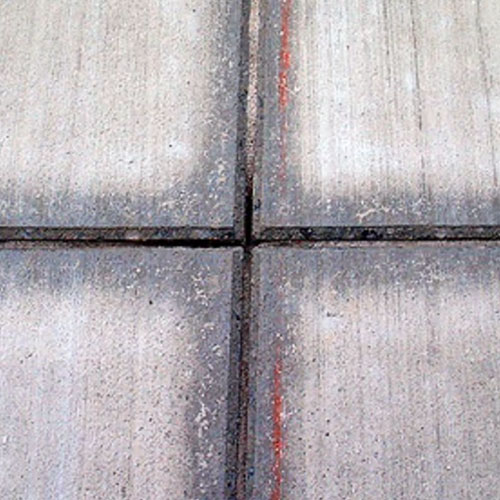
- Install proper control joints to guide cracking
- Seal concrete after curing to prevent moisture intrusion
- Direct water away from slabs using proper drainage
- Repair small cracks early before they expand
When Is Concrete Repair Necessary?
Hairline cracks are usually cosmetic. However, wide cracks, sinking slabs, pooling water, or cracks near foundations should be evaluated by a professional to prevent further damage.
If you’re unsure whether your concrete needs repair, SEMCO Construction can provide expert guidance and help you understand your options.